The Importance Of Vaccinations For Dogs And Cats In Taree
For many families, pets are an important part of everyday life. Dogs and cats provide companionship, routine and connection, and it’s only natural for owners to want to support their long-term wellbeing. One of the most practical ways to do this is by keeping vaccinations up to date. While vaccinations are often associated with puppies and kittens, they remain relevant throughout a pet’s life.
For pet owners living in and around Taree, understanding why vaccinations matter locally can help make informed decisions about routine care. Environmental conditions, wildlife exposure and community interaction all influence disease risk. This guide explains why vaccinations are considered a key part of responsible pet care, the common preventable diseases seen in the region, and how vets in Taree help tailor vaccination plans to suit individual pets.
What Are Pet Vaccinations?
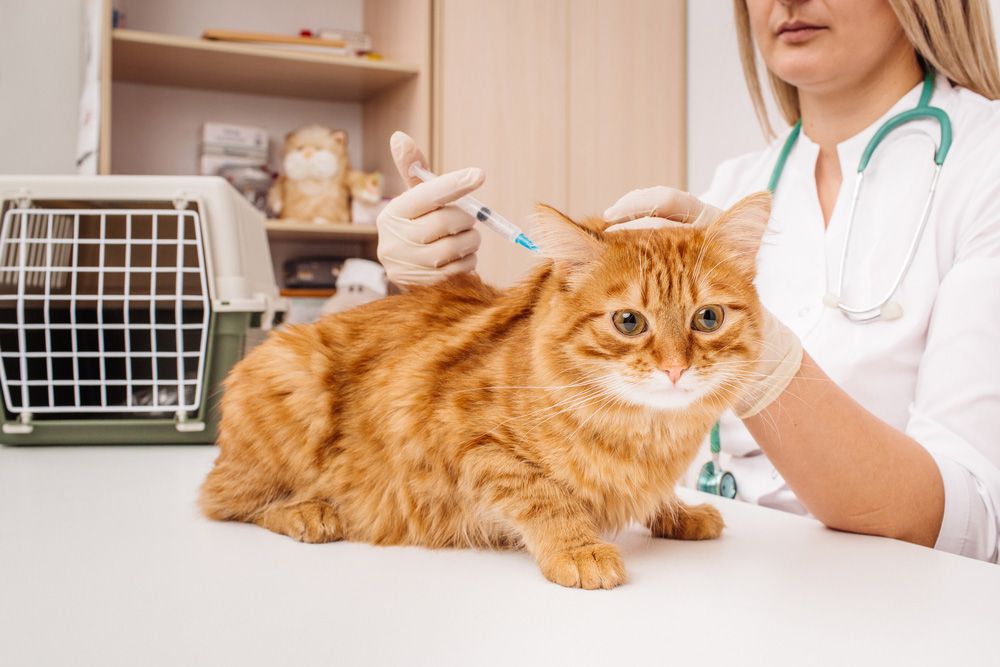
Vaccinations help prepare a pet’s immune system to recognise and respond to certain diseases. They are designed to reduce the likelihood of pets becoming seriously unwell if they are exposed to specific viruses or bacteria.
Vaccines are typically given as:
- Puppy and kitten vaccinations
- Follow-up booster doses
- Ongoing annual or periodic boosters
Your vet may recommend different vaccines depending on your pet’s age, lifestyle and environment.
Why Vaccinations Matter for Dogs and Cats
Vaccinations are widely regarded as an important part of preventative veterinary care. While no medical procedure is completely risk-free, vaccines are used to reduce the chance of pets contracting serious, potentially life-threatening illnesses.
Keeping vaccinations current can:
- Support long-term health
- Reduce the spread of disease within the community
- Protect vulnerable pets, such as young animals or seniors
- Provide peace of mind for owners
For households with multiple pets or frequent contact with other animals, vaccinations play an even more important role.
Common Preventable Diseases in the Taree Region
The Mid North Coast environment presents certain health risks for pets due to climate, population density and lifestyle factors. Vets in Taree commonly discuss the following preventable diseases with pet owners.
Common Dog Diseases
Parvovirus
Parvovirus is a highly contagious virus that affects dogs, particularly puppies. It spreads easily through contaminated environments and can cause severe gastrointestinal illness.
Distemper
Canine distemper affects multiple body systems, including the respiratory and nervous systems. It is spread through close contact and airborne exposure.
Kennel Cough
Kennel cough is a respiratory condition often associated with dogs that socialise, attend boarding facilities or visit public spaces such as parks.
These diseases can circulate in both urban and semi-rural areas, making vaccination an important consideration for many dogs in Taree.
Common Cat Diseases
Feline Calicivirus and Herpesvirus (Feline Flu)
Often grouped under the term “feline flu”, these viruses cause respiratory symptoms and can be persistent, especially in multi-cat households.
Feline Panleukopenia
This virus is highly contagious and can be serious, particularly for kittens.
Cats that roam outdoors or live in households with other cats may have increased exposure risks.
Local Risk Factors in Taree and Surrounding Areas
Several local factors influence why vaccinations are often recommended by vets in Taree.
Climate
Warm, humid conditions can support the spread of infectious diseases, particularly in shared environments.
Lifestyle
Pets that socialise, attend grooming or boarding facilities, or spend time outdoors may encounter other animals more frequently.
Wildlife and Rural Exposure
In semi-rural and rural areas around Taree, pets may come into contact with wildlife or environments where disease exposure is more likely.
Understanding these risks helps owners appreciate why tailored vaccination advice is valuable.
Puppy and Kitten Vaccination Schedules
Young animals rely on early vaccinations as their immune systems develop. Puppies and kittens usually receive a series of vaccinations spaced several weeks apart.
These early vaccinations aim to:
- Support immune development
- Reduce vulnerability during early life
- Prepare pets for broader environmental exposure
Your vet will usually recommend a schedule based on age, health and background, particularly for adopted or rescued animals.
Why Booster Vaccinations Are Important
Vaccination protection does not last forever. Over time, immunity can decrease, which is why booster vaccinations are commonly recommended.
Booster vaccinations help:
- Maintain immune response
- Address ongoing exposure risks
- Align protection with lifestyle changes
Annual health checks often provide an opportunity to review vaccination needs alongside general wellbeing.
How Vets Tailor Vaccination Plans
Not all pets need exactly the same vaccines or schedules. Vets near me often adjust recommendations based on individual circumstances.
Factors considered may include:
- Age and breed
- Indoor or outdoor lifestyle
- Exposure to other animals
- Travel or boarding plans
- Health history
This tailored approach helps ensure vaccination decisions are relevant rather than routine.
Vaccinations and Regular Vet Check-Ups
Vaccination appointments are often combined with general health checks. These visits allow vets to assess overall condition and discuss any changes in behaviour, appetite or activity.
Regular check-ups support:
- Early identification of health concerns
- Weight and dental monitoring
- Parasite prevention discussions
- Ongoing care planning
For new pet owners, these visits also provide an opportunity to ask questions and build confidence in managing pet health.
Addressing Common Concerns About Vaccinations
Some pet owners have questions or concerns about vaccinations, which is completely understandable. Discussing these concerns with vets in Taree allows for clear, balanced information based on individual pets.
Topics often discussed include:
- Vaccine types and timing
- Potential side effects
- Lifestyle-based recommendations
- Frequency of boosters
Open communication helps owners make informed choices.
Vaccinations for Adopted or Rescued Pets
Pets adopted from shelters or rescue organisations may have unknown vaccination histories. In these cases, vets may recommend restarting or updating vaccinations to establish a clear baseline.
This approach helps ensure:
- Protection against common diseases
- Clear medical records moving forward
- Confidence in the pet’s health plan
Supporting Responsible Pet Ownership
Keeping vaccinations up to date is widely considered part of responsible pet ownership. Alongside nutrition, exercise and routine care, vaccinations help support pets’ quality of life.
For families, rural property owners and multi-pet households, preventative care plays a key role in managing health risks effectively.
When to Seek Veterinary Advice
While vaccinations are usually scheduled in advance, there are times when seeking veterinary advice sooner may be appropriate.
Contact your vet if you notice:
- Lethargy or behavioural changes
- Loss of appetite
- Vomiting or diarrhoea
- Respiratory symptoms
- Sudden changes in mobility
Prompt advice helps determine next steps and appropriate care.
Golf Course Vets Supporting Preventative Pet Care
At Golf Course Veterinary Hospital, we support pet owners by providing clear, practical guidance around vaccinations and general wellbeing. As trusted vets in Taree, we work with dogs and cats of all ages, tailoring vaccination schedules to suit lifestyle, environment and health history. Whether you’re a new pet owner, caring for multiple animals or looking for a regular vet in the Taree area, our team is here to help you stay informed and confident about your pet’s care. Visit our website to learn more or arrange an appointment.


